
Easy Pet Training Methods for Better Behavior
The Definitive Pet Training Guide for Harmony at Home
Creating a peaceful household with a fresh animal companion demands structured communication and clear behavior adjustments. This detailed pet training guide delivers science-backed paths to turn chaotic antics into dependable routines. People often struggle with mixed signals. However, setting a predictable schedule removes confusion from daily interactions. Embracing these straightforward tactics strengthens your connection with your animal while easing stress for everyone. This road to a polite companion relies on quiet patience, simplicity, and everyday devotion.
Core Pillars of Our Pet Training Guide
Animal learning science shows that immediate outcomes dictate behavior. Research published in the Journal of Veterinary Behavior demonstrates that rewarding good behavior yields significantly higher rates of obedience and lower levels of stress compared to using punishment-based methods. Instant gratification works wonders. When a dog or cat does what you want, giving a treat within one to two seconds builds a solid mental link. Consistency rules above all. Everyone in the household must use the exact same spoken words and hand signs to avoid muddling the animal’s mind. A single, shared plan makes sure your pet gets one clear message, which speeds up their learning speed. Keep teaching sessions short. Five to ten minutes a day is plenty to keep their focus sharp and their memory active.
Dog Obedience Steps in This Pet Training Guide
Teaching a dog to listen means breaking big tasks into tiny, bite-sized steps. Canine minds thrive on repetition and clear markers. Take the sit-stay sequence. First, reward the dog for sitting. Then, slowly stretch the wait time by adding two seconds at a time. Studies on canine learning show that dogs taught with distinct markers, such as clickers, associate behaviors with rewards much more rapidly than those trained without markers. Try a clicker or a sharp verbal cue like the word yes to mark the exact split second of success. Once your pet understands the cue, introduce distractions slowly. Begin in a silent room. Then move to a bustling park. This slow, step-by-step increase prevents your pup from shutting down while ensuring reliable habits anywhere.
Feline Behavior Tips: A Modern Pet Training Guide
Cats demand an entirely different strategy, one that honors their wild instincts and solo lifestyle. Owners often assume cats cannot learn. They can, especially when you tap into what makes them tick. This segment of our pet training guide focuses on shifting bad habits, like clawing couches or leaping onto kitchen counters, toward better choices. Placing tall scratching posts rubbed with catnip near the targeted furniture is highly effective at redirecting scratching behavior to appropriate surfaces. Keep these sessions brief. Three to five minutes matches their natural attention span perfectly. Giving high-value rewards like freeze-dried chicken or tuna paste during these quick windows keeps them fully focused and moving forward fast.
Positive Reinforcement and Your Pet Training Guide
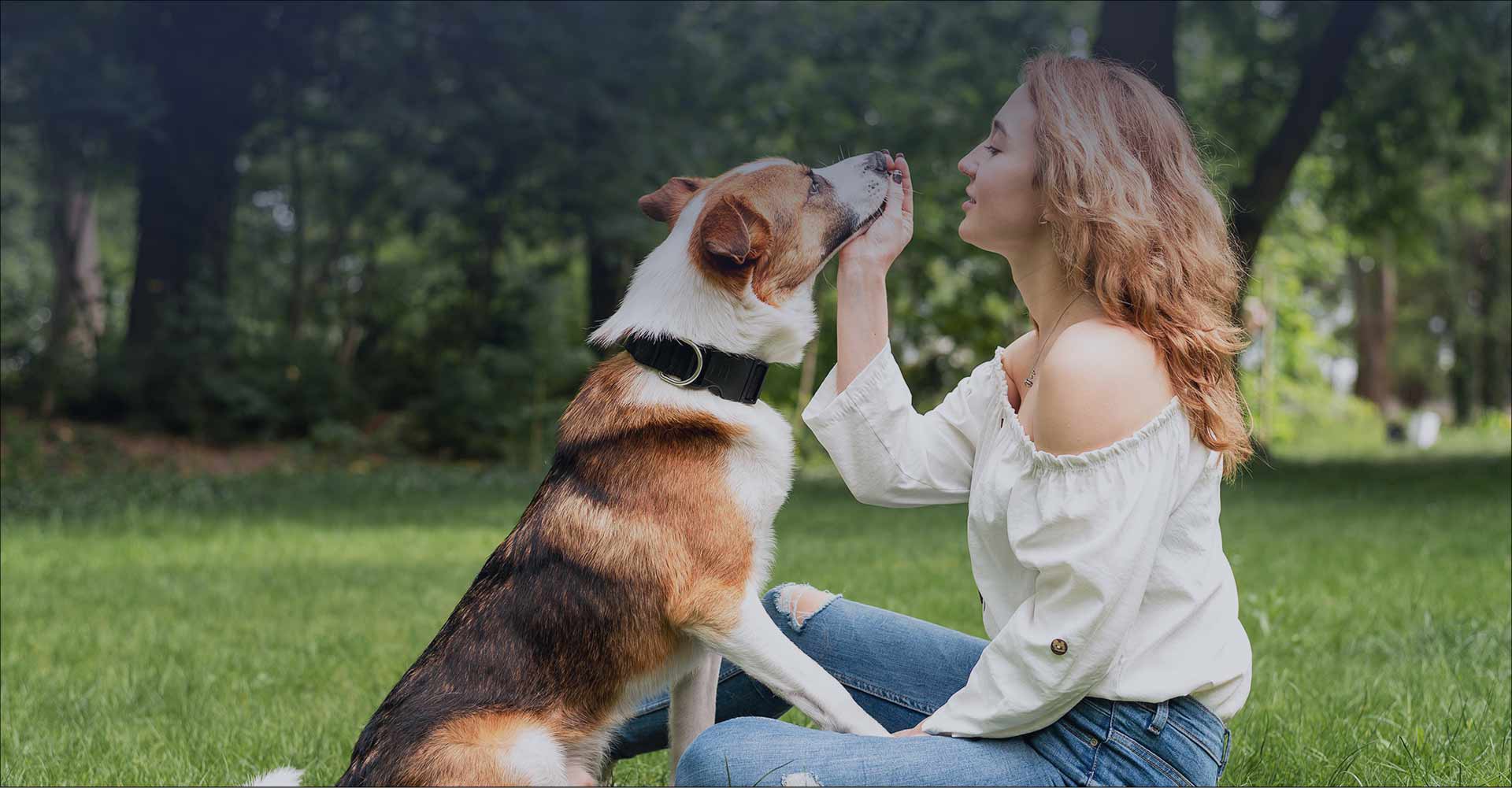
Modern animal teaching rests on rewards rather than discipline for mistakes. Punishment breeds fear, worry, and defensive anger, which breaks the bond between you and your animal. A rewards-centric approach uses food, praise, and play as the main engines. To execute this well, discover what your animal loves most. One dog might live for a tennis ball, while a cat might crave a soft chin scratch. Keep the treats tiny, about the size of a single pea. This keeps them from getting full and keeps their drive high. By constantly rewarding good choices, you shape a pet that looks to you for cues and joins in the fun with joy.
Practical Discipline and Pet Training Guide Summary
Handling bad habits means managing the space around your pet before trouble starts, rather than punishing them afterward. These core pet discipline tips set your companion up to win by taking away temptation. For example, keeping trash cans locked down stops raiding behaviors before they begin. When mischief happens, redirect the animal right away to an approved outlet. Hand over a chew toy when they start gnawing a wooden chair leg. Ultimately, this pet training guide stresses that steady routines, calm patience, and clear cues bring lasting peace. Spend at least ten minutes every day on focused practice. Keep the mood light and stop on a high note to make sure they look forward to the next round.